

Denied or Underpaid? How to Tell — and What to Do Next
"Denied" and "underpaid" are two different problems with two different fixes — and knowing which one you're facing is the first step. A denial means the carrier refused to pay at all; an underpayment means they paid something, but far less than the loss actually costs. This page helps you tell them apart and points you to the right next move for each.
Common Denied Claim Issues We Handle
- Outright claim denials
- Underpaid or lowball settlement offers
- Closed claims with unrepaired damage
- Claims denied for 'wear and tear' or 'pre-existing'
- Claims denied for missed deadlines or policy language
- Claims where you settled too early and now need supplemental coverage
Was Your Claim Denied?
If you received a denial letter — citing reasons like 'wear and tear,' 'pre-existing damage,' late notice, or a policy exclusion — your claim was denied outright. Most denials rely on beatable reasons and can be reopened, supplemented, or appealed once the loss is properly documented.
For the full breakdown of how we overturn denials, see our denied insurance claim help page — that's our primary denied-claim resource.
Was Your Claim Underpaid?
If the carrier paid you something — but it doesn't come close to the real cost of repairs — that's an underpayment. Common causes are aggressive depreciation (ACV instead of RCV), missed scope, below-market line-item pricing, and omitted Florida code upgrades.
Learn how we recover the shortfall on our underpaid insurance claim page, or estimate your claim value in about 60 seconds.
Know what your denied vs. underpaid claims claim should be worth.
Denied vs. Underpaid Claims cases get underpaid more than almost any other claim type in Florida — carriers lean on depreciation, missing line items, and outdated unit pricing to shrink the number. Run your damage through our calculator and you'll see a low–high range built from current Florida adjuster pricing for denied vs. underpaid claims losses, so you can sanity-check whatever the insurance company puts on paper.
Denied Claim Help In Every Tampa Bay City
Based in Riverview, we handle denied vs. underpaid claims claims across all of these cities and their surrounding communities.
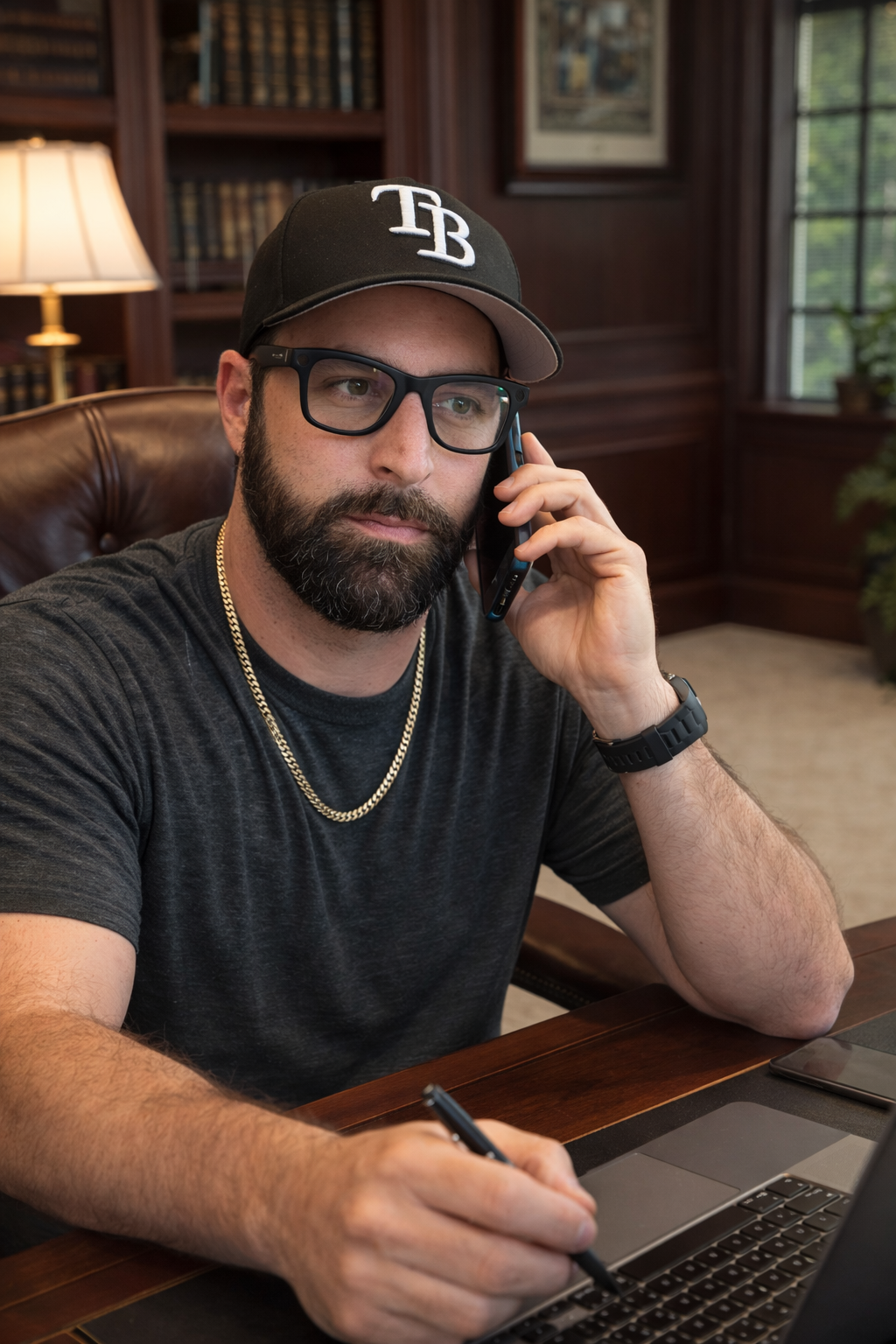
Joe · Lead Public Adjuster & Co-Owner · FL License W757540
Last reviewed: June 2026
Fighting a claim in the Tampa Bay area? Explore our insurance underpayment recovery, estimate your claim value, Florida roof insurance claim, water damage public adjuster, wind damage public adjuster, and public adjuster in Tampa.