

When most homeowners hear 'appeal a denied claim,' they picture a courtroom hearing or an administrative tribunal. In Florida, the reality is different — and much better. A property insurance 'appeal' is mostly a documented, structured negotiation process that happens between you (or your public adjuster) and the insurance carrier. Courts only become involved if every other step fails. Here's exactly how the process actually works.
There Is No Single 'Appeal Button'
First, set expectations. Florida does not have a single regulatory 'appeal' you click and file. Instead, there's a sequence of escalating disputes — each governed by different rules and deadlines. The right sequence, in order of cost and aggressiveness, is: written dispute → supplemental claim → appraisal → mediation → litigation.
Stage 1: Written Dispute (Days 1-14)
The first step is a formal written dispute letter. This is not a phone call. It's a certified, dated, documented notice that says: (a) you dispute the denial, (b) here are the specific grounds, and (c) here is the evidence supporting reversal.
Most carriers respond to a well-drafted dispute letter within 14-30 days. In our practice, a meaningful percentage of denials get reversed at this stage — because the dispute letter forces a senior claim representative to review the file, and the original denial was often made at a lower level without full evidence.
Stage 2: Supplemental Claim with New Evidence
If the carrier holds the denial, the next step is a formal supplemental claim. This is heavier — it includes a complete evidence package: independent inspection report, Xactimate estimate, photos, video, drone imagery if relevant, contractor bids, code-compliance documentation, and any expert reports.
You just read the playbook for overturning a denial. The next step is putting a real number on what you should be paid. Run our calculator — we'll show you a defensible range and reach out to discuss reopening. Estimate My Claim →
The supplemental is structured like a courtroom brief — every line of the denial is rebutted with evidence. Carriers know if they reject a strong supplemental and the case proceeds to litigation, their internal claim file becomes discoverable. That's leverage.
Stage 3: Invoke the Appraisal Clause
Virtually every Florida homeowners policy includes an appraisal clause. This is an under-used but powerful tool: when there's disagreement on the amount of loss (not coverage), either party can invoke appraisal. Each side picks a qualified, independent appraiser. The two appraisers select a neutral umpire. The three jointly determine the loss amount, and that determination is binding on both sides.
Appraisal is faster, cheaper, and less adversarial than litigation. The downside: it only resolves amount disputes, not coverage disputes. If the carrier is denying based on policy interpretation, appraisal won't help — you'll need to go to mediation or litigation instead.
Stage 4: DFS Mediation (Free, Required in Many Cases)
Florida's Department of Financial Services offers free mediation for many homeowners property claims. Carriers are required to participate in good faith on most homeowners disputes. A neutral mediator hears both sides and tries to facilitate settlement. The process is non-binding — if it doesn't resolve, you can still escalate — but the mediator's pressure often moves carriers off the denial.
How to request: file an online request through MyFloridaCFO.com or call DFS Consumer Helpline. We typically file mediation when appraisal isn't applicable or when we want a neutral third party to weigh in before litigation.
Stage 5: Litigation (Last Resort)
If everything above fails, the final option is a lawsuit for breach of contract and (in some cases) bad faith. At this stage a Florida first-party property attorney takes over the legal proceedings, while the public adjuster continues to manage claim documentation and damage proof. Litigation is slower (often 12-24 months) and more expensive, but Florida has fee-shifting provisions that put the carrier on the hook for the homeowner's attorney's fees in some cases — substantially reducing the homeowner's cost risk.
The Documentation That Makes Appeals Work
- ▸Original claim file and denial letter
- ▸Full policy, all endorsements
- ▸Independent public adjuster inspection report
- ▸Xactimate estimate (independent)
- ▸Photographs and video — before any cleanup or repair
- ▸Drone imagery for roof damage
- ▸Moisture maps and infrared imagery for water claims
- ▸Contractor estimates — written, itemized
- ▸Expert reports (engineer, roofer, etc.) when needed
- ▸Weather records (NOAA, local) for storm-related claims
- ▸Building code documentation showing code-required upgrades
Critical Deadlines for Appeals
- ▸Most disputes should be initiated within 30-60 days of the denial — earlier is better
- ▸Supplemental claim deadlines apply (18 months for hurricane, varies for other perils)
- ▸Statute of limitations on a property insurance lawsuit in Florida — 5 years from breach
- ▸Some appraisal clauses require demand within specific windows
- ▸DFS mediation should be requested early in the dispute timeline
Should You Handle the Appeal Yourself?
Honest answer: low-dollar disputes (under $5,000) may be worth handling yourself with a clear dispute letter and a couple contractor estimates. Higher-value claims — and any claim where coverage interpretation is at stake — almost always benefit from professional representation. Public adjusters handle the documentation, estimating, and carrier negotiation phases. Attorneys take over if litigation becomes necessary. The two work together on serious claims.
Free Tampa Bay Denial Appeal Review
Claim Beast handles denied-claim appeals for Florida homeowners every week. We're based in Riverview and represent clients across Tampa and surrounding Hillsborough/Pasco cities. Send us your denial letter and we'll review it free — request your free appeal review. No upfront cost, no obligation, honest assessment.
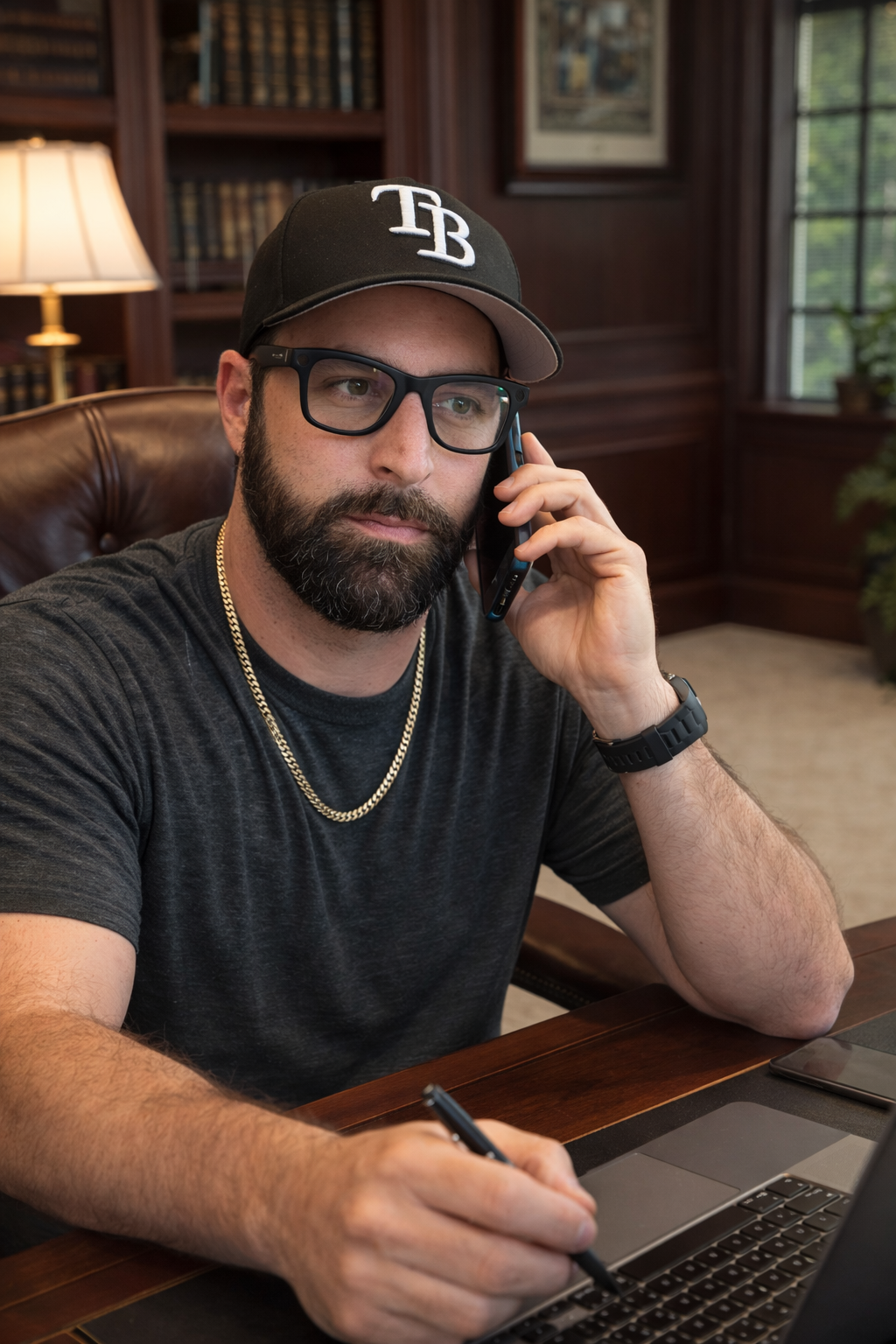
Joe · Lead Public Adjuster & Co-Owner
Joe is a Florida and Georgia licensed public adjuster with over a decade of insurance industry experience on both sides of the table — meaning he knows exactly how the carriers think and exactly how to beat them.
Free Tampa Bay Claim Review — No Win, No Fee.
Call Claim Beast at (386) 747-9440 or fill out our online form for a free review of your insurance claim.