

Insurance underpayment recovery is the process of getting your carrier to pay the full amount your policy actually owes after a lowball settlement. It's one of the most common — and most winnable — situations Florida homeowners face. The carrier sends a check that sounds real, you start getting contractor quotes, and the numbers don't come close. The good news: the money left off the estimate is still recoverable, and this is exactly how the recovery process works.
Why Florida Claims Get Underpaid in the First Place
Underpayment is rarely an accident. Carriers use a repeatable set of tactics to keep the initial number low:
- ▸Aggressive depreciation — paying Actual Cash Value (ACV) when your policy entitles you to Replacement Cost Value (RCV)
- ▸Missed scope — a fast inspection that overlooks entire rooms, hidden water intrusion, or roof decking
- ▸Below-market line-item pricing and skipped labor minimums in the Xactimate estimate
- ▸Removed overhead and profit (O&P) even when multiple trades are involved
- ▸Excluded Florida Building Code upgrades that are actually a covered cost
- ▸Contents valued at 'garage sale' prices instead of proper replacement value
ACV vs RCV: The Core of Most Underpayments
If your carrier underpaid you, the supplement playbook only works once you know what the claim is actually worth. Our calculator gives you that number in 60 seconds — using current Florida market rates. Calculate My Shortfall →
This one distinction drives more Florida underpayments than any other. ACV (Actual Cash Value) is replacement cost minus depreciation — what your damaged item is worth today given age and wear. RCV (Replacement Cost Value) is the full cost to replace it new. Most Florida homeowners policies pay you the recoverable depreciation (the gap between ACV and RCV) once repairs are made — but carriers frequently pay only the ACV and never release the rest. Insurance underpayment recovery reclaims that held-back depreciation.
The Insurance Underpayment Recovery Process, Step by Step
Here's the exact sequence a licensed Florida public adjuster follows to recover an underpaid claim:
- ▸Pull and read the full policy — every endorsement, RCV/ACV terms, code coverage, and matching coverage
- ▸Re-inspect and re-document the loss with photos, video, and moisture mapping the carrier missed
- ▸Build an independent Xactimate estimate at fair Florida market pricing, with code upgrades, O&P, and a proper contents inventory
- ▸Compare line-by-line against the carrier's estimate to pinpoint every underpaid item
- ▸File a formal supplemental claim with the dollar demand and full supporting documentation
- ▸Negotiate — and escalate to appraisal or mediation only if the carrier won't pay what it owes
Don't Do These Things First
- ▸Don't sign any release or waiver that came with the check
- ▸Don't start out-of-pocket repairs — removing damaged materials destroys the evidence of underpayment
- ▸Don't argue scope over the phone; put every dispute in writing
How Much Can You Recover?
It varies by claim, but properly handled underpaid Florida claims are routinely doubled or tripled. A homeowner offered $14,000 can end up at $40,000+ once depreciation, full matching, correct labor rates, code upgrades, and accurate scope are reflected. Florida caps public adjuster fees (20%, or 10% during declared emergencies in the first year), and the fee comes out of the additional recovery — so in nearly every case the homeowner nets dramatically more than the original offer.
Deadlines for Recovering an Underpaid Claim
Under Fla. Stat. § 627.70132, supplemental claims for hurricane losses generally must be filed within 18 months of the date of loss, with a 1-year window for new claims. Non-hurricane perils vary by policy, and the 5-year breach-of-contract window often remains available. The sooner you start, the more options you keep open.
Free Underpayment Review
Bring us the carrier's estimate and any contractor quotes and we'll tell you within 48 hours whether you're being underpaid and by roughly how much. Learn more on our underpaid insurance claim Florida page, or if the carrier paid nothing at all, see how we handle a denied insurance claim in Florida. Claim Beast is based in Riverview and serves the entire Tampa Bay area. Request your free underpayment review.
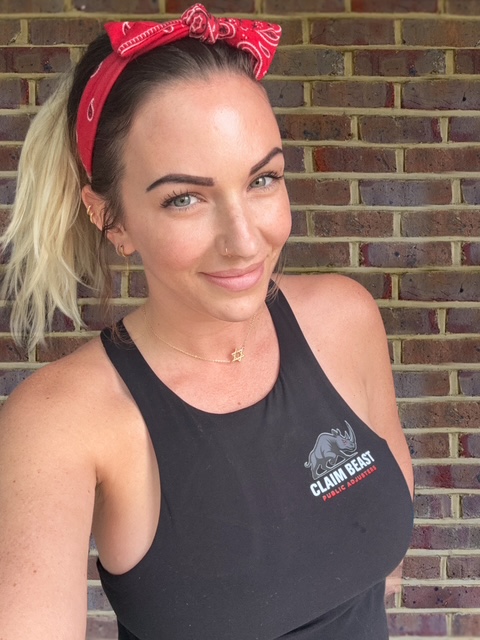
Victoria · Public Adjuster & Co-Owner
A Florida licensed public adjuster, Victoria spent years inside the industry before joining Claim Beast. She brings a homeowner-first approach that pairs precision documentation with genuine compassion for clients going through their worst day.
Free Tampa Bay Claim Review — No Win, No Fee.
Call Claim Beast at (386) 747-9440 or fill out our online form for a free review of your insurance claim.