

Florida roof claim denials follow patterns. After overturning hundreds of them, we can tell you with near certainty which denial reason your carrier will use — often before they even send the letter. Understanding why carriers deny is the first step in overturning the denial. Here are the 7 most common reasons Florida insurance companies deny roof claims, the specific language they use, and how each one gets beaten.
1. 'Wear and Tear' or 'Lack of Maintenance'
This is the single most common roof denial in Florida — used in roughly 40-50% of denied claims we see. The carrier inspects the roof, observes age-related wear (granule loss, curled shingles, aged underlayment), and claims the damage is the result of normal aging rather than the storm event you filed for.
How it gets overturned: timeline documentation. We pull pre-storm satellite imagery (Google Earth, county property appraiser records, real estate listing photos), prior roof inspection reports, and weather data to prove the damage post-dates the loss event. If we can show the roof was in good condition shortly before the storm and damaged after, the wear-and-tear theory collapses.
2. 'Cosmetic Damage Only'
Carriers love this one for hail and wind claims. The denial says the damage doesn't affect the roof's functionality — only its appearance — and is therefore excluded under a 'cosmetic only' provision.
How it gets overturned: most Florida policies don't actually exclude cosmetic damage unless a specific cosmetic-damage exclusion endorsement is attached to the policy. We pull the policy and verify. Also, hail and wind damage that breaks the seal of shingles, fractures fasteners, or damages underlayment is rarely 'cosmetic only' — we document the functional damage with detailed inspection.
3. 'Damage Below the Deductible'
You just read the playbook for overturning a denial. The next step is putting a real number on what you should be paid. Run our calculator — we'll show you a defensible range and reach out to discuss reopening. Estimate My Claim →
The carrier claims the total scope of damage is less than your hurricane or all-other-perils deductible (often $1,000-$10,000), so no payment is owed.
How it gets overturned: independent Xactimate estimate. The carrier's scope is almost always significantly under-scoped — missing code upgrades, missing matching, missing tear-off and dump fees, missing labor rates that reflect current Florida market rates. Once a complete scope is documented, the total nearly always exceeds the deductible.
4. 'Late Notice' or 'Missed Filing Deadline'
Under current Florida law, hurricane claims must be filed within 1 year of date of loss. If the carrier can argue the claim was filed late, they can deny on procedural grounds without ever addressing the actual damage.
How it gets overturned: late notice is generally only a valid denial if the carrier can prove they were prejudiced by the delay — meaning the delay impaired their ability to investigate. If the damage is well documented and the carrier can still conduct a meaningful investigation, late notice often fails as a defense. This requires legal argument and is sometimes a case where an attorney joins the team.
5. 'Pre-Existing Damage'
The carrier claims the roof was already damaged before the loss event — typically pointing to prior repairs, prior claims, or visible aging — and excludes the current loss as a continuation of pre-existing conditions.
How it gets overturned: similar to wear-and-tear — timeline documentation. We pull every available record showing the roof's condition before the storm. If a prior claim exists, we get the file and show what was repaired (and that those repairs were complete). Pre-existing damage denials usually fail when confronted with strong before/after evidence.
6. 'Excluded Cause of Loss'
The carrier classifies the damage as caused by an excluded peril — wind-driven rain when the policy excludes 'rain damage,' flooding when the policy excludes 'flood,' settlement when the policy excludes 'earth movement.' This is a classification game and the carrier picks the most exclusion-friendly category.
How it gets overturned: re-classify the cause of loss accurately, sometimes with an engineer's report. If wind damage is the proximate cause and water intrusion is the consequence, the loss should be covered as a wind claim — not denied as a flood claim. Florida courts have detailed body of law on proximate cause; many denials get overturned on this point alone.
7. 'Failure to Mitigate'
The carrier argues you failed to take reasonable steps to prevent further damage after the loss — for example, you didn't tarp the roof, didn't board windows, didn't extract water. They reduce or deny the claim based on the additional damage that resulted from the alleged failure to mitigate.
How it gets overturned: document what you did do. Photos of tarps, receipts for board-up services, invoices for water extraction, and a clear timeline of mitigation actions. If you took reasonable steps under the circumstances (especially after a major event when contractors are slammed), the mitigation defense rarely holds up.
The Common Thread: Documentation Wins
Whatever the denial reason, the path to reversal is the same: better documentation than the carrier has. The carrier's denial is built on their adjuster's inspection — a single, time-limited visit by someone whose job is to find reasons to pay less. An independent public adjuster's documentation — drone imagery, moisture mapping, infrared, Xactimate estimate, contractor support, policy analysis — is almost always more thorough.
Free Tampa Bay Roof Denial Review
If your roof claim was denied in Florida, send us the denial letter and the carrier's report. Within 48 hours we'll tell you honestly: (a) which denial reason was used, (b) whether we believe it can be overturned, and (c) what the next step would be. Claim Beast is based in Riverview, FL and serves the entire Tampa Bay region. Request your free denial review here.
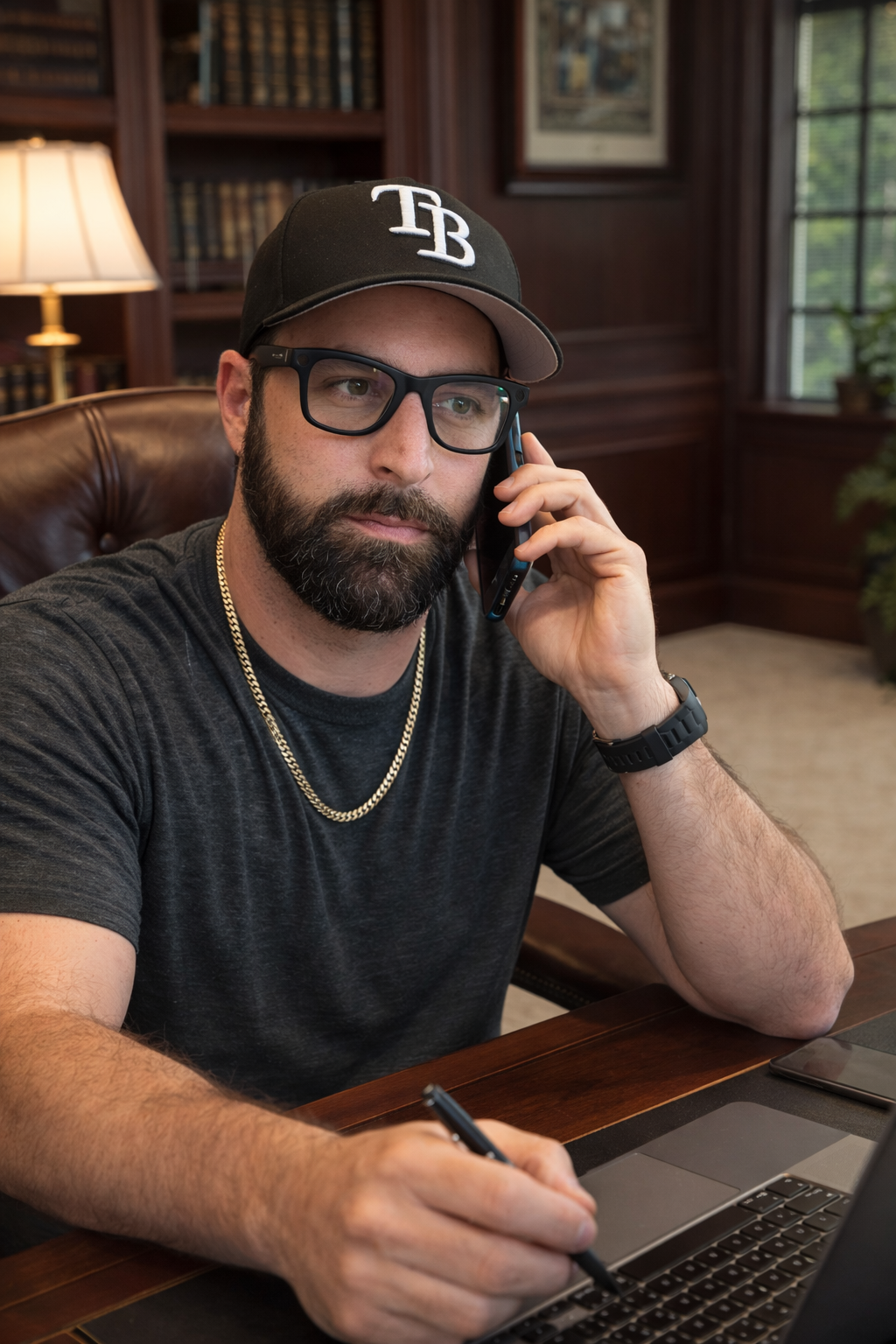
Joe · Lead Public Adjuster & Co-Owner
Joe is a Florida and Georgia licensed public adjuster with over a decade of insurance industry experience on both sides of the table — meaning he knows exactly how the carriers think and exactly how to beat them.
Free Tampa Bay Claim Review — No Win, No Fee.
Call Claim Beast at (386) 747-9440 or fill out our online form for a free review of your insurance claim.
